1. 서론: 제1도련선의 창(槍), 그리고 한반도의 위기
미국이 중단거리미사일폐기조약(INF) 파기 이후 신속하게 개발한 지상 발사형 중거리 미사일 체계인 '타이폰(Typhon, MRC)'이 필리핀에 이어 일본 규슈 등 인도-태평양 제1도련선을 따라 속속 전진 배치되고 있다. 과거 방어용이었던 사드(THAAD)와 달리, 사거리 2,000km의 토마호크를 품은 타이폰은 언제든 적의 핵심 지휘부와 심장부를 찌를 수 있는 강력하고 공세적인 '비수'다.
이 비수가 턱밑까지 다가오자 러시아는 극동 안보에 대한 "직접적 위협"이라며 맹비난을 퍼붓고, 주한미군 배치 시 "상응하는 강력한 보복"을 공언하고 나섰다. 타이폰 체계는 역내 군사적 힘의 균형을 근본적으로 뒤흔드는 '게임 체인저'가 되었으며, 한국은 한미동맹과 주변국 리스크 관리라는 거대한 지정학적 딜레마에 갇혔다. 오늘 이데아(IDEA)는 타이폰 배치가 불러올 안보 지형의 연쇄 파동을 I(Issue) - D(Detail) - E(Evaluation) - A(Action) 메커니즘으로 완벽히 해부한다.
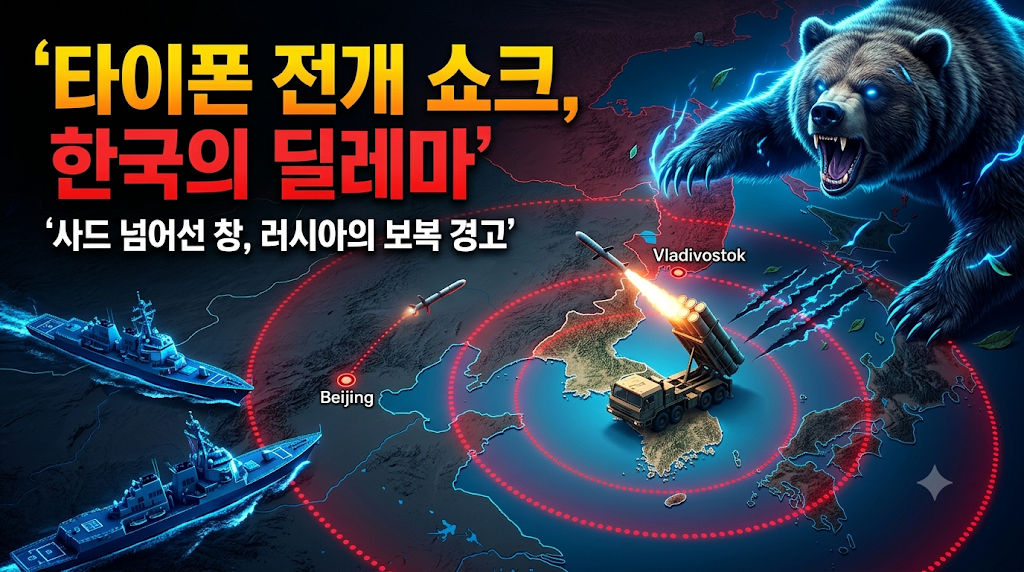
2. [ I ] Issue : 방패를 버리고 '창'을 쥔 미국, 폭발하는 주변국
타이폰 체계의 동북아시아 배치는 미국이 중국·러시아를 상대하는 군사 전략을 '방어'에서 '선제적 타격(공세)'으로 완벽하게 전환했음을 상징한다.
미국은 제1도련선을 단순한 해양 방어선이 아닌, 중국 본토와 러시아 태평양 함대를 언제든 정밀 타격할 수 있는 전방위 기지로 개조하고 있다.
사드가 날아오는 미사일을 막는 '방패'라면, 타이폰은 적의 지휘소와 항만, 방공망 자체를 궤멸시킬 수 있는 사거리 2,000km의 '창'이다.
러시아 외무차관은 한국 내 타이폰 전개 시 자국에 대한 '위협'으로 간주하여 상응하는 군사·경제적 대응(보복)을 초래할 것이라며 강도 높게 경고했다.
3. [ D ] Detail : 타이폰의 실체와 지정학적 딜레마 해부
1) 타이폰(MRC) 체계의 본질: 저비용·고효율의 공세 무기
타이폰(Mid-Range Capability) 체계는 미 해군 함정에서 운용하던 검증된 무기를 지상 이동식 발사대(TEL)로 옮긴 것이다. 다목적 대공·대함 미사일인 SM-6와 사거리 약 2,000km의 지상 타격용 토마호크(Tomahawk) 순항 미사일을 장착한다. 막대한 건조 비용이 드는 구축함이나 폭격기 없이도, 육상의 주요 거점에서 저렴하고 신속하게 적의 핵심 군사 시설(지휘소, 방공망)을 선제 타격할 수 있는 막강한 공세적 능력을 발휘한다.
2) 필리핀·일본 전개의 의미: 턱밑을 겨눈 비수
- 필리핀 루손섬 (2024년 상반기): 미국은 합동 군사 훈련을 명분으로 해외 최초로 타이폰을 배치했다. 이는 남중국해와 대만 해협 전체를 직접적인 사정권에 넣는 강력한 대중(對中) 압박이다.
- 일본 규슈 가노야 기지 (2026년 최근): 이와쿠니에 이어 규슈 남부에 관련 부대가 전개되었다. 이는 중국 본토 해안은 물론, 블라디보스토크 등 러시아 극동 지역에 대한 타격 경보 시간을 대폭 단축시키는 위협적인 전진 배치다.
3) 러시아의 분노와 훼손된 전략적 안정성
러시아 안드레이 루덴코 외무차관은 타이폰 배치를 "아태지역 안정의 파괴이자 극동 국경에 대한 직접적 위협"으로 맹비난했다. 러시아 입장에서는 1987년 INF 조약으로 사라졌던 중단거리 미사일의 공포가 부활한 것이다. 특히 자국 태평양 함대의 심장인 캄차카반도와 블라디보스토크가 토마호크의 타격망 안에 갇히는 것을 국가 안보의 중대 침해로 간주하며 극도로 민감하게 반응하고 있다.
4. [ E ] Evaluation : 10년 전 '사드 사태'와의 안보 파급력 비교
미국의 동맹국 전진 배치가 가속화되면서 주한미군 순환 배치 가능성이 대두되고 있다. 한국 안보 관점에서 타이폰 논란은 2016년 사드(THAAD) 사태와 자주 비교되지만, 그 본질적 성격과 파급력은 완전히 다르다.
| 구분 | 사드 (THAAD, 2016년) | 타이폰 (Typhon, MRC) |
|---|---|---|
| 무기 체계의 성격 | 날아오는 적의 미사일을 방어하는 방어용 요격 체계 | 적의 심장부를 선제 타격하는 공세적 정밀 타격 무기 |
| 핵심 장비 / 사거리 | 탐지 레이더 및 종말 단계(단거리) 요격 미사일 | 지상 발사 토마호크 순항 미사일 (약 2,000km) |
| 지정학적 파괴력 | X밴드 레이더의 감시망 확장에 대한 주변국(중국)의 반발 및 경제 보복 | 북한, 중국 수도권, 러시아 극동 군사 인프라 전체를 직접 파괴할 수 있는 '타격권'에 편입시킴 |
사드가 중국의 '눈'을 가리는 방어 논리였다면, 타이폰 배치는 주변국들의 군사적 불안감을 극한으로 끌어올리는 '선제 타격'의 공포를 유발한다. 이는 러시아가 한국을 향해 한한령을 넘어서는 가혹한 군사·안보적 보복(북·러 군사 밀착 가속화 등)을 경고하는 핵심 이유다.
5. [ A ] Action : 생존을 위한 이데아의 전략적 외교 제언
강대국 틈바구니에서 최전선(Front Line) 전락을 막을 Action Plan
- 고도의 '전략적 자율성' 획득: 북핵 억제를 위해 미국의 확장 억제력을 십분 활용하는 것은 필수적이다. 그러나 동맹의 요구에 무비판적으로 편승하여 미국의 대중/대러 봉쇄 전략의 1차 타격 목표(총알받이)로 한국이 전락하는 일은 철저히 방지해야 한다.
- 선제적인 외교·안보적 이익 계량: 향후 미국의 주한미군 타이폰 순환 배치 요구가 본격화될 경우, 이것이 가져올 '군사적 효용성'과 그로 인해 촉발될 러시아의 '치명적 보복(북한에 ICBM 재진입 기술 및 위성 기술 이전 등)' 리스크를 냉정하게 저울질해야 한다.
- 다층적 리스크 관리와 명분 차단: 한국 정부는 한미동맹의 굳건함을 유지하면서도, 러시아 및 중국과의 막후 핫라인(Hot-line)을 가동하여 역내 긴장 고조의 원인이 한국에 있지 않음을 명확히 소통해야 한다. 불필요한 경제 보복이나 무력 도발의 명분을 원천적으로 차단하는 정밀한 줄타기 외교가 절실하다.
6. 최종 결론: 칼끝에 선 동북아시아와 외교의 시간
타이폰(MRC) 체계는 신속한 기동성과 막강한 화력을 앞세워 인도-태평양 지역의 지정학적 룰을 근본적으로 바꾸고 있는 '게임 체인저'다.
미국은 동맹국들의 기지를 징검다리 삼아 역내 타격 자산의 '영구적인 전략적 효과'를 고착화하려 할 것이며, 러시아와 중국은 자국의 목을 조여오는 이 올가미를 끊어내기 위해 외교적, 군사적, 경제적 압박 수위를 최고조로 끌어올릴 것이다. 이 거친 지정학적 격랑 속에서 한국의 입장은 그 어느 때보다 위태롭다. 한국은 자유민주주의 진영의 굳건한 동맹으로서 책임을 다해야 하지만, 동시에 국가와 국민의 안위를 강대국 간 패권 다툼의 희생양으로 내어줄 수는 없다. 맹목적인 동맹 추종과 무조건적인 반미 선동 사이에서, 철저한 국익 중심의 실용주의 외교와 뼈를 깎는 전략적 고민만이 이 위기의 시대를 돌파할 유일한 나침반이 될 것이다.
1. Introduction: The Spear of the First Island Chain and the Crisis on the Korean Peninsula
Following the abrogation of the Intermediate-Range Nuclear Forces (INF) Treaty, the US rapidly developed the 'Typhon (Mid-Range Capability, MRC)', a ground-launched mid-range missile system, and is now forward-deploying it along the Indo-Pacific First Island Chain, from the Philippines to Kyushu, Japan. Unlike the defensive THAAD system of the past, Typhon—armed with Tomahawks boasting a 2,000km range—is a powerful and offensive 'dagger' capable of striking the enemy's core command and heartland at any time.
As this dagger approaches their chin, Russia has vehemently criticized it as a "direct threat" to its Far East security and declared "correspondingly strong retaliation" should it be deployed to US Forces Korea (USFK). The Typhon system has become a 'game changer' fundamentally altering the regional military balance of power, trapping South Korea in a massive geopolitical dilemma between the US alliance and managing risks from neighboring powers. Today, IDEA perfectly dissects the chain reactions of the security landscape triggered by Typhon deployments using the I (Issue) - D (Detail) - E (Evaluation) - A (Action) mechanism.
2. [ I ] Issue: US Drops the Shield to Grab a 'Spear', Neighboring Powers Explode
The deployment of the Typhon system in Northeast Asia symbolizes a complete shift in US military strategy against China and Russia from 'defense' to 'preemptive strike (offensive)'.
The US is transforming the First Island Chain from a simple maritime defense line into an omnidirectional forward base capable of precision strikes on mainland China and Russia's Pacific Fleet at any moment.
If THAAD is a 'shield' that blocks incoming missiles, Typhon is a 'spear' with a 2,000km range capable of obliterating the enemy's command posts, ports, and air defense networks.
The Russian Deputy Foreign Minister strongly warned that deploying Typhon in South Korea would be considered a 'threat' to their nation, bringing about corresponding military and economic countermeasures (retaliation).
3. [ D ] Detail: Dissecting the Reality of Typhon and the Geopolitical Dilemma
1) The Essence of the Typhon (MRC) System: Low-Cost, High-Efficiency Offensive Weapon
The Mid-Range Capability (MRC) system moved proven weapons operated on US Navy ships to ground-based Transporter Erector Launchers (TELs). It is equipped with the SM-6, a multi-purpose anti-air/anti-ship missile, and the Tomahawk cruise missile for ground strikes with a range of approximately 2,000km. It demonstrates a formidable offensive capability to preemptively strike key enemy military facilities (command posts, air defenses) cheaply and swiftly from major land bases, without the need for tremendously expensive destroyers or bombers.
2) Meaning of Deployments in the Philippines and Japan: A Dagger at the Chin
- Luzon Island, Philippines (H1 2024): Under the pretext of joint military exercises, the US deployed Typhon overseas for the first time. This is a powerful pressure tactic against China, placing the entire South China Sea and Taiwan Strait directly within firing range.
- Kanoya Base, Kyushu, Japan (Recent 2026): Following Iwakuni, related units were deployed to southern Kyushu. This is a threatening forward deployment that drastically shortens strike warning times for the Chinese mainland coast and Russia's Far East region, including Vladivostok.
3) Russia's Fury and the Undermined Strategic Stability
Russian Deputy Foreign Minister Andrey Rudenko harshly criticized the Typhon deployment as a "destruction of Asia-Pacific stability and a direct threat to the Far East border." From Russia's perspective, the terror of mid-to-short-range missiles—eliminated by the 1987 INF Treaty—has been resurrected. They consider it a grave violation of national security and react extremely sensitively, especially as the Kamchatka Peninsula and Vladivostok, the heart of their Pacific Fleet, are now trapped within the Tomahawk's strike radius.
4. [ E ] Evaluation: Comparing Security Impact with the 'THAAD Crisis' 10 Years Ago
As the forward deployment to US allies accelerates, the possibility of rotational deployment to USFK has emerged. From the perspective of South Korean security, the Typhon controversy is often compared to the THAAD crisis of 2016, but its essential nature and impact are completely different.
| Category | THAAD (2016) | Typhon (MRC) |
|---|---|---|
| Nature of Weapon System | Defensive interceptor system blocking incoming enemy missiles | Offensive precision strike weapon preemptively striking the enemy's heart |
| Core Equipment / Range | Detection radar & terminal phase (short-range) interceptor missiles | Ground-launched Tomahawk cruise missiles (Approx. 2,000km) |
| Geopolitical Destructive Power | Pushback & economic retaliation from neighbors (China) over the expansion of X-band radar surveillance | Places North Korea, the Chinese capital region, and the entirety of Russia's Far East military infrastructure into a 'strike zone' capable of direct destruction |
If THAAD was a defensive logic that blinded China's 'eyes,' the Typhon deployment induces the terror of 'preemptive strike,' elevating neighboring countries' military anxieties to the extreme. This is the core reason Russia warns of severe military/security retaliation (such as accelerating North Korea-Russia military ties) against South Korea, going beyond mere economic boycotts.
5. [ A ] Action: IDEA's Strategic Diplomatic Proposals for Survival
Action Plan to Prevent Becoming the Front Line Among Great Powers
- Acquire a High Degree of 'Strategic Autonomy': It is essential to fully utilize US extended deterrence to suppress North Korean nuclear threats. However, South Korea must strictly avoid being reduced to the primary strike target (cannon fodder) of the US containment strategy against China and Russia by uncritically jumping on the alliance's demands.
- Weighing Preemptive Diplomatic/Security Interests: If US demands for rotational deployment of Typhon to USFK materialize in the future, South Korea must coldly weigh the 'military utility' against the risk of Russia's 'fatal retaliation' (e.g., transferring ICBM reentry and satellite tech to North Korea).
- Multi-layered Risk Management and Blocking Justifications: While maintaining the firmness of the ROK-US alliance, the South Korean government must operate behind-the-scenes hot-lines with Russia and China to clearly communicate that Korea is not the cause of regional tension escalation. Precise tightrope diplomacy that fundamentally blocks any justification for unnecessary economic retaliation or armed provocation is desperately needed.
6. Final Conclusion: Northeast Asia on the Edge of a Sword and the Time for Diplomacy
The Typhon (MRC) system is a 'game changer' that is fundamentally altering the geopolitical rules in the Indo-Pacific region through swift mobility and formidable firepower.
The US will seek to solidify the 'permanent strategic effect' of regional strike assets using its allies' bases as stepping stones, while Russia and China will maximize diplomatic, military, and economic pressure to cut this noose tightening around their necks. In these rough geopolitical waves, South Korea's position is more precarious than ever. While South Korea must fulfill its responsibilities as a steadfast ally of the liberal democratic bloc, it simultaneously cannot surrender the safety of its nation and people as sacrificial lambs in the hegemonic struggle between great powers. Between blind adherence to the alliance and unconditional anti-American instigation, only strict, national-interest-driven pragmatic diplomacy and agonizing strategic contemplation will serve as the sole compass to navigate this era of crisis.
[이데아 심층 분석] 에너지 동맥 마비가 불러온 식탁의 재앙: 2026 천연가스·비료·식량 복합 위기
1. 서론: 지정학적 단층선의 붕괴와 '에너지-식량' 무기화지금 우리는 2026년 8월 10일 오전 8시를 지나고 있다.2026년 2월 28일 촉발된 미·이란 전쟁은 단순한 군사적 충돌을 넘어, 현대 문명을 지탱
www.ideas6926.cloud
[이데아 심층 분석] '규제 선도국' 일본의 대전환: 안심 설계로 무장한 웹3.0 국가 전략 / [IDEA Deep D
1. 서론: 글로벌 규제 패러다임의 전환과 'IDEA' 프레임워크지금 우리는 2026년 8월 9일 오전 8시를 지나고 있다.글로벌 금융 시장에서 웹3.0(Web3)의 비중이 커지는 가운데, 가상자산 규제의 방향도 빠
www.ideas6926.cloud


