미국의 우크라이나 종전 전략 분석: 28개 조항 평화안과 지정학적 함의
요약: 2025년 미국 행정부의 정책 선회와 함께 등장한 '28개 조항 평화안'은 우크라이나에게 영토 및 군사적 양보를 요구하며 기존의 외교 원칙과 충돌하고 있습니다. 본 보고서는 기존의 억지력 기반 전략(BSA)과 새로운 평화안을 비교 분석하고, 동맹의 균열과 지정학적 리스크를 심층 평가합니다.
I. 서론: 미국의 우크라이나 종전 전략 패러다임 변화
A. 전략적 배경 및 분석의 필요성
2022년 러시아의 전면 침공 이후, 미국의 대외 정책은 국제 질서의 근본 원칙을 수호하는 데 중점을 두어왔습니다. 기존의 전략적 목표는 일관되게 우크라이나의 주권과 영토 보전을 회복하고 러시아의 침략을 장기적으로 억지하는 것이었으며, 이는 국경과 영토 보전이 무력으로 변경될 수 없다는 유럽 안보의 기본 원칙을 지지하는 것이었습니다. 이러한 접근 방식은 우크라이나를 서방 민주주의 구조에 통합하고 그 방위 역량을 강화함으로써 유럽의 평화와 안정을 확보하려는 광범위한 목표를 반영하였습니다.
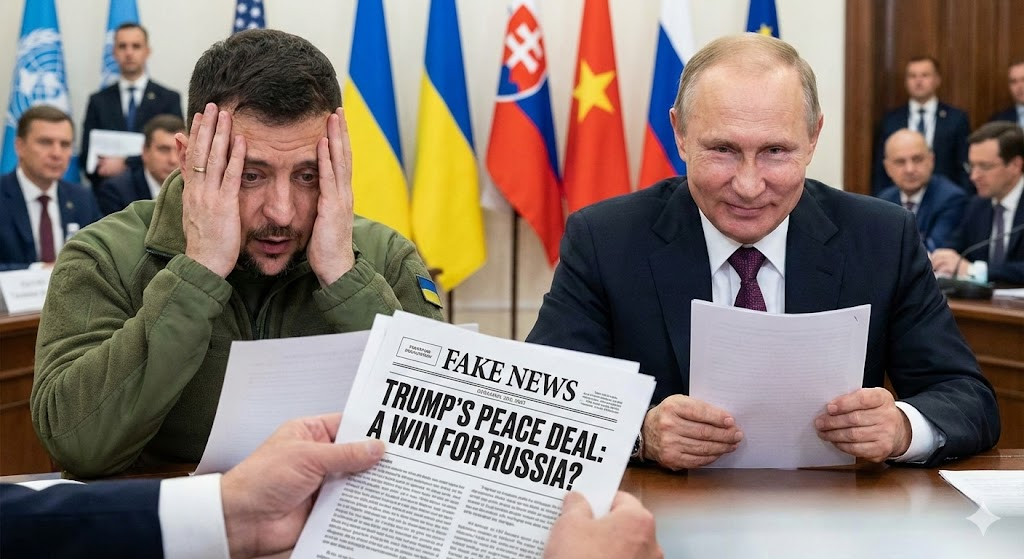
그러나 2025년 미국 행정부의 정책 선회와 함께 등장한 '28개 조항 평화안(28-Point Peace Plan)'은 이러한 기존의 원칙들에 정면으로 배치되는 요소를 다수 포함하고 있습니다. 이 평화안은 우크라이나에게 영토 및 군사적 양보를 요구하고 있으며, 이는 서방 동맹국들 사이에서 심각한 균열과 마찰을 초래하고 있습니다. 본 보고서는 기존의 억지력 기반 전략과 새로운 '즉각적 휴전' 전략을 비교 분석하고, 후자가 초래하는 지정학적 위험과 동맹의 결속력에 미치는 영향을 심층적으로 평가하는 것을 목적으로 합니다.
B. 주요 핵심 자료 개괄 및 보고서 구조
트럼프 행정부가 제시한 28개 조항 평화안의 핵심 요구 사항은 우크라이나에게 동부 돈바스 지역과 크림반도를 러시아에 넘기고, 군사력을 축소하며, NATO 가입을 포기하도록 하는 내용을 포함합니다. 이러한 요구는 미국 의회, 특히 초당파적인 의원들, 우크라이나 정부, 그리고 유럽 동맹국들로부터 단호한 반대와 우려를 불러일으켰습니다.
II. 기존의 미국의 종전 전략: 주권 수호 및 억지력 구축
A. 바이든 행정부의 핵심 원칙 (The Biden Doctrine)
2025년 이전까지 미국의 대우크라이나 전략은 우크라이나의 주권 수호와 장기적인 억지력 구축에 확고하게 초점을 맞추었습니다. 토니 블링컨 국무장관은 러시아의 행동이 "국경과 영토 보전은 무력으로 변경될 수 없다"는 유럽 평화와 안보에 필수적인 기본 국제 원칙을 위협한다고 분명히 밝혀왔습니다. 미국과 우크라이나는 2023년 공동 성명을 통해 유엔(UN) 헌장의 원칙과 국제적으로 공인된 국경 내에서의 주권, 독립, 영토 보전을 존중하는 '정의롭고 지속 가능한 종전'을 추구하는 데 합의하였습니다.
B. 2024년 미국-우크라이나 양자 안보 협정(BSA) 분석
2024년 6월, 조 바이든 대통령과 볼로디미르 젤렌스키 대통령은 G7 정상회의 기간 동안 10년 기한의 양자 안보 협정(BSA)을 체결하였습니다. 이 협정의 목표는 우크라이나의 장기적인 신뢰할 수 있는 방위 및 억지 역량을 강화하는 것이었습니다.
- 국방 역량 강화: 우크라이나의 미래 전력 역량 구축, 훈련 및 연습, 방위 산업 기반(DIB) 개발 협력에 초점을 맞춥니다. 이는 우크라이나 군을 NATO 표준에 맞춰 상호 운용성을 강화하는 것을 목표로 합니다.
- 경제 회복 및 개혁: 협정의 제3조는 우크라이나의 전쟁 피해를 입은 경제와 에너지 부문 지원, 그리고 거버넌스, 반부패, 인권 존중, 법치주의 등의 개혁 의제 협력을 상세히 다룹니다.
- 러시아 책임: 러시아의 행동에 대한 책임을 묻고(Accountability), 러시아 국유 자산 동결, 제재 조치를 포함한 협력 강화 방안을 명시하고 있습니다.
C. 억지력 기반 전략의 함의
BSA 전략은 시간이 걸리더라도 우크라이나의 자립 방위 능력과 지속 가능한 역량을 인정하고 구축하는 '억지력 기반 접근'입니다. 이는 28개 조항 평화안의 군사력 제한 요구와 근본적인 차이를 보이며, 우크라이나를 서방 민주주의 구조에 완전히 통합하여 장기적인 안정을 확보하려는 전략적 목적을 갖습니다.
III. '28개 조항 평화안'의 구조적 분석 및 요구 사항
A. 평화안의 핵심 내용 및 러시아의 요구 반영
2025년 후반 트럼프 행정부가 제시한 28개 조항 평화안은 우크라이나 종전을 위한 새로운 틀을 제안하였습니다. 이 계획의 핵심 요구 사항은 다음과 같습니다:
- 영토 양보 및 주권 포기: 우크라이나가 동부 돈바스 지역 전체와 크림반도를 러시아에 양도하고, 점령된 영토에 대한 법적 권한을 포기하도록 요구합니다. 이는 러시아에게 침략의 대가로 군사적 노력 없이 영토적 승리를 안겨주는 행위로 간주됩니다.
- NATO 및 중립화 요구: 우크라이나는 NATO 가입 계획을 포기하고 중립국이 되어야 하며, 이는 헌법에 명시되어야 합니다. 또한, 우크라이나 영토에 NATO 군대 주둔을 금지합니다.
- 군사력 제한: 우크라이나 군대의 규모를 축소하고 장거리 무기를 포기해야 합니다. 이는 우크라이나를 미래의 공격에 취약하게 만들 것이라는 우려를 낳고 있습니다.
B. 협상 과정의 논란 및 키이우에 대한 압박
트럼프 대통령은 젤렌스키 대통령에게 추수감사절까지 평화안에 응답할 것을 요구하며 강한 압력을 가했으며, 이는 우크라이나의 협상력을 의도적으로 약화시키는 요소로 작용했습니다. 유럽 지도자들은 평화안 초안 작성에 공식적으로 통보받거나 참여하지 못했다며 우려를 표명하였고, 이는 미국이 주요 동맹국들을 배제하고 독자적인 협상 경로를 추진했음을 시사합니다. 젤렌스키 대통령은 이 계획이 "존엄성을 잃거나 핵심 파트너를 잃을 위험" 중 하나를 선택해야 하는 불가능한 딜레마라고 경고했습니다.
[Image of Ukraine territory conflict map]C. '항복 요구'로서의 평화안 평가
이 평화안이 단순한 협상 도구인지, 아니면 우크라이나의 항복을 요구하는 것인지에 대한 분석은 극명하게 갈립니다. 러시아가 군사적으로 완전히 점령하지 못한 돈바스 지역 전체를 포기하도록 요구하는 것은, 우크라이나 민주주의를 소멸시키려는 러시아의 지정학적 목표를 인정하는 행위로 해석될 수 있습니다. 일부 전문가들은 이를 "항복 요구의 전달"로 간주하며, 협상 자체를 시간 끌기 이상의 의미가 없게 만들 수 있다고 평가합니다.
IV. 안보 보장 메커니즘의 대비 및 실효성 평가
지속 가능한 평화의 핵심은 러시아의 재침공을 막을 수 있는 강력하고 신뢰할 수 있는 안보 보장 메커니즘을 확립하는 것입니다. 2024년 BSA와 28개 조항 평화안은 이 문제에 대해 근본적으로 다른 접근 방식을 취하고 있습니다.
A. BSA 하의 안보 보장 (2024년)
BSA는 구체적인 장기적 능력 구축에 초점을 맞춥니다. 이는 국방 산업 기반 강화, 훈련, 군사 상호 운용성 증진 등 실질적인 조치를 통해 우크라이나가 스스로를 방어할 수 있는 지속 가능한 억지력을 확보하게 하려는 목적을 가집니다.
B. 28개 조항 평화안의 안보 보장 (Article 5 유사 모델)
28개 조항 평화안은 NATO의 집단 방위 조항인 제5조를 모델로 한 안보 보장을 제안합니다. 러시아의 공격 시 미국과 동맹국들이 대응한다는 내용이지만, 내재적 한계가 명확합니다.
C. 내재적 한계 및 비대칭적 보장의 위험
평화안의 안보 보장은 다음과 같은 내재적 한계를 가집니다:
- 군사적 제한과의 모순: 우크라이나의 군사력을 제한하고 NATO 가입을 금지하는 조건 하에서, 보장은 실질적인 억지력이 아닌 정치적 구호로 전락할 위험이 높습니다. 우크라이나의 군사적 취약성 자체가 러시아의 재침공 유혹을 키울 것입니다.
- NATO 군 주둔 금지: 서방 군대가 우크라이나 영토에 주둔하는 것을 명시적으로 배제하여 억지력 확보 가능성을 없앱니다.
- 법적 구속력 부재: 미국이 제공하는 안보 보장은 조약(Treaty)이 아니며, 미래 행정부의 정책 변화에 취약합니다. 이는 우크라이나의 위험 부담만 극대화하는 비대칭적 거래입니다.
V. 평화안에 대한 주요 이해당사국의 정책적 반응
| 이해당사자 | 주요 반응 및 입장 | 핵심 근거/우려 사항 |
|---|---|---|
| 우크라이나 | 신중한 검토 약속, 강한 딜레마(존엄성/지원) 표명 | 주권 및 군사력 제한은 미래 취약성 증대 초래 |
| 미국 의회 | 초당파적 '러시아 희망 목록' 비판 및 거부 움직임 | 공격자에게 보상하며 유럽/NATO 안보 약화 |
| 유럽 동맹국 | 공식적 참여 요구, 평화안에 '추가 작업 필요' | 강압에 의한 국경 변경 원칙 위반, 동맹국 배제 |
| 러시아 | 평화 정착의 '기초'가 될 수 있다며 환영 | 서방 연합 와해 및 전장 우위를 위한 전략적 도구로 활용 |
VI. 지정학적 위험 분석 및 전략적 평가
A. 평화안의 근본적 결함: 푸틴의 목표 오해
28개 조항 평화안에 대한 가장 근본적인 비판은 이 계획이 푸틴의 전쟁 동기를 단순한 영토 분쟁으로 오해하고 있다는 점입니다. 비평가들은 푸틴의 목표가 우크라이나 민주주의를 말살하고 러시아의 대국 지위를 회복하려는 제국주의적 야심에 있다고 지적합니다. 따라서 침략자에게 영토를 포기하게 하고 군사력을 제한하는 방식은 지속 가능한 평화가 아닌 '항복'이며, 이는 뮌헨 협정처럼 미래에 더 큰 침략을 부추길 위험이 큽니다.
미국 우크라이나 종전 전략 프레임워크 비교 (2024년 vs. 28개 조항)
| 구분 | 2024년 양자 안보 협정 (BSA) | 28개 조항 평화안 (Trump Proposal) |
|---|---|---|
| 기본 원칙 | 국제적으로 공인된 국경 내 주권 및 영토 보전 존중 | '평화'를 위한 영토 양보 및 중립화 |
| 영토 | 보전 및 회복 목표 | 크림, 돈바스 등 러시아 점령/주장 영토 포기 요구 |
| 나토 가입 | 나토 가입 지지, 불가역적 경로 재확인 | 나토 비가입 헌법 명시 및 중립국 지위 요구 |
| 군사력 | 장기적 방위 역량 강화, DIB 협력 | 군사력 규모 축소 및 장거리 무기 포기 요구 |
VII. 결론 및 정책 권고
러시아-우크라이나 종전 전략에 대한 미국의 접근 방식은 2025년 행정부 교체 후 극명하게 선회하였습니다. 기존의 전략(BSA 프레임워크)은 우크라이나의 주권을 회복하고 장기적이고 정의로운 평화를 목표로 하였으나, 28개 조항 평화안은 영토 양보와 군사력 제한을 통해 즉각적인 휴전을 우선시합니다.
지속 가능한 종전은 무력에 의한 국경 변경을 용인하지 않는다는 국제법적 원칙을 고수할 때에만 가능합니다. 본 분석을 바탕으로, 지속 가능한 평화와 대서양 안보를 위해 다음과 같은 정책을 권고합니다:
- 동맹과의 외교적 재조율: 공격자에게 보상을 제공하는 영토 양보 및 군사력 제한 요구를 전면 재검토해야 합니다.
- 안보 보장의 법적 구속력 확보: 미래 행정부의 변덕에 취약한 정책이 아닌, 상원 비준을 받은 강력한 조약 형태의 방위 협정을 추진해야 합니다.
- 협상의 목적 재정의: 협상의 목적은 우크라이나의 항복이 아니라, 러시아의 침략에 대한 책임을 묻고 장기적인 주권을 확립하는 데 초점을 맞춰야 합니다.
'우크라 종전' 속도내는 트럼프 "합의 시한, 27일이 적절" | 연합뉴스
(워싱턴=연합뉴스) 이유미 특파원 = 도널드 트럼프 미국 대통령이 21일(현지시간) 러시아와 우크라이나 간의 전쟁을 끝내기 위한 평화협상안의 합...
www.yna.co.kr
US Ukraine Strategy Shift: 28-Point Peace Plan vs. Sovereignty Defense
Summary: The '28-Point Peace Plan', emerging with the 2025 shift in US administration policy, demands territorial and military concessions from Ukraine, clashing with established diplomatic principles. This report compares the existing deterrence-based strategy (BSA) with the new plan, deeply evaluating alliance fractures and geopolitical risks.
I. Introduction: Paradigm Shift in US Ukraine Strategy
A. Strategic Background and Need for Analysis
Since Russia's full-scale invasion in 2022, US foreign policy has focused on defending the fundamental principles of the international order. The established strategic goal has consistently been to restore Ukraine's sovereignty and territorial integrity and to deter Russian aggression in the long term, supporting the basic European security principle that borders cannot be changed by force. This approach reflected a broader goal of integrating Ukraine into Western democratic structures and securing European peace and stability by strengthening its defense capabilities.
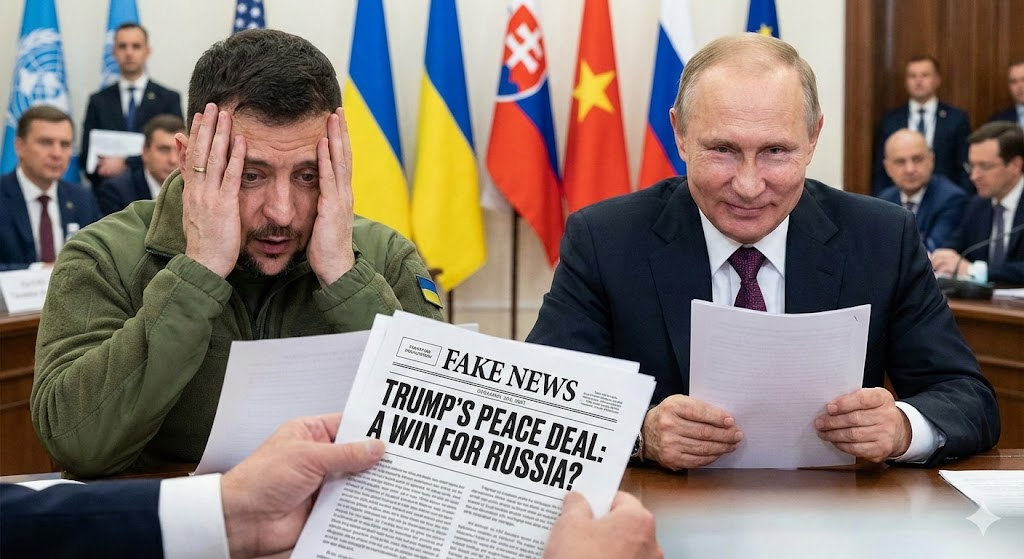
However, the '28-Point Peace Plan', which emerged with the policy shift of the 2025 US administration, contains numerous elements that directly contradict these existing principles. By demanding territorial and military concessions from Ukraine, this plan is causing serious rifts and friction among Western allies.
B. Overview and Report Structure
The core demands of the 28-point peace plan presented by the Trump administration include Ukraine ceding the eastern Donbas region and the Crimean Peninsula to Russia, reducing military forces, and renouncing NATO membership. These demands have drawn firm opposition and concern from the US Congress, particularly bipartisan members, the Ukrainian government, and European allies.
II. The Established US Strategy: Sovereignty Defense and Deterrence
A. The Biden Doctrine
Until 2025, the US strategy toward Ukraine was firmly focused on defending Ukraine's sovereignty and building long-term deterrence. Secretary of State Antony Blinken has made clear that Russia's actions threaten the fundamental international principle essential to European peace and security: "borders and territorial integrity cannot be changed by force." The US and Ukraine agreed to pursue a 'just and sustainable peace' respecting the UN Charter.
B. Analysis of the 2024 US-Ukraine Bilateral Security Agreement (BSA)
In June 2024, President Joe Biden and President Volodymyr Zelenskyy signed a 10-year Bilateral Security Agreement (BSA) during the G7 summit. The goal of this agreement was to strengthen Ukraine's long-term credible defense and deterrence capabilities.
- Strengthening Defense Capabilities: Focuses on building Ukraine's future force capabilities, training and exercises, and cooperation on the Defense Industrial Base (DIB). Aiming for interoperability with NATO standards.
- Economic Recovery and Reform: Article 3 details support for Ukraine's war-torn economy and energy sector, as well as cooperation on reform agendas such as governance, anti-corruption, respect for human rights, and the rule of law.
- Accountability for Russia: Specifies measures to hold Russia accountable, including immobilization of Russian sovereign assets and sanctions actions.
C. Implications of Deterrence-Based Strategy
The BSA strategy is a 'deterrence-based approach' that recognizes and builds Ukraine's self-reliant defense capabilities over time. This fundamentally differs from the military limitation demands of the 28-point peace plan and aims to fully integrate Ukraine into Western democratic structures for long-term stability.
III. Structural Analysis and Requirements of the '28-Point Peace Plan'
A. Core Content and Reflection of Russian Demands
The 28-point peace plan presented by the Trump administration in late 2025 proposed a new framework for ending the war in Ukraine. Its key demands include:
- Territorial Concessions and Renunciation of Sovereignty: Requires Ukraine to cede the entire eastern Donbas region and the Crimean Peninsula to Russia. This is seen as handing Russia a territorial victory without military effort as a reward for aggression.
- NATO and Neutralization: Ukraine must abandon plans to join NATO and become a neutral state, enshrined in its constitution. It explicitly bans NATO troop presence on Ukrainian soil.
- Military Limitations: Includes demands to reduce the size of the Ukrainian military and forego long-range weapons. This raises concerns about leaving Ukraine vulnerable to future attacks.
B. Controversial Negotiation Process and Pressure on Kyiv
President Trump exerted strong pressure on President Zelenskyy, demanding a response to the peace plan by Thanksgiving, which acted as a factor intentionally weakening Ukraine's negotiating power. European leaders expressed concern that they were not officially notified or involved in the drafting of the peace plan. President Zelenskyy warned that this plan presents an impossible dilemma of choosing between "losing dignity or losing key partners."
[Image of Ukraine territory conflict map]C. Assessment as a 'Surrender Demand'
Analysis is sharply divided on whether this plan is a mere negotiating tool or a demand for surrender. Demanding the cession of the entire Donbas region, which Russia has not fully conquered militarily, can be interpreted as acknowledging Russia's geopolitical goal of extinguishing Ukrainian democracy. Some experts view this as "delivering a surrender demand," rendering negotiations meaningless beyond stalling for time.
IV. Comparative Assessment of Security Guarantee Mechanisms
The core of sustainable peace is establishing a robust and credible security guarantee mechanism that can prevent a renewed Russian invasion. The 2024 BSA and the 28-point peace plan take fundamentally different approaches to this issue.
A. Security Guarantees under BSA (2024)
The BSA focuses on concrete long-term capacity building. It aims to secure sustainable deterrence allowing Ukraine to defend itself through practical measures like strengthening the defense industrial base and enhancing military interoperability.
B. Security Guarantees under 28-Point Plan (Article 5-like Model)
The 28-point plan proposes security guarantees modeled after NATO's Article 5. However, it has inherent limitations.
C. Inherent Limitations and Risks of Asymmetric Guarantees
The peace plan's security guarantees have the following limitations:
- Contradiction with Military Limitations: Under conditions limiting Ukraine's military power and banning NATO membership, guarantees are highly likely to devolve into political slogans. Ukraine's military vulnerability itself will increase the temptation for Russian re-invasion.
- Ban on NATO Troop Presence: Explicitly excludes the stationing of Western troops on Ukrainian territory, eliminating the possibility of securing deterrence.
- Lack of Legal Binding: US security guarantees are not treaties and are vulnerable to future policy changes. This is an asymmetric deal that only maximizes risk for Ukraine.
V. Policy Reactions of Key Stakeholders
| Stakeholder | Key Reaction & Stance | Core Concern |
|---|---|---|
| Ukraine | Promise of careful review, expression of strong dilemma | Sovereignty and military limits lead to increased future vulnerability |
| US Congress | Bipartisan criticism as "Russia's wish list" | Rewarding the aggressor and weakening NATO security |
| European Allies | Demand for official participation, "further work needed" | Violation of principle against changing borders by force, exclusion of allies |
| Russia | Welcomed as a potential "basis" for peace settlement | Used as a strategic tool to dismantle Western unity |
VI. Geopolitical Risk Analysis and Strategic Assessment
A. Fundamental Flaw: Misunderstanding Putin's Goal
The most fundamental criticism is that this plan misunderstands Putin's war motives as a mere territorial dispute. Critics point out that Putin's goal is imperialistic: to extinguish Ukrainian democracy. Thus, forcing territorial concessions and military limits is not sustainable peace but 'surrender,' risking a repetition of the Munich Agreement.
Comparison of US Ukraine Strategy Frameworks (2024 vs. 28-Point)
| Category | 2024 Bilateral Security Agreement (BSA) | 28-Point Peace Plan (Trump Proposal) |
|---|---|---|
| Basic Principle | Respect for sovereignty and territorial integrity | Territorial concessions and neutralization for 'peace' |
| Territory | Goal of preservation and restoration | Demand to cede Crimea, Donbas, etc. |
| NATO Path | Support for NATO accession, irreversible path | Constitutionally mandated non-accession |
| Military Power | Long-term defense capability building | Reduction of military size and long-range weapons |
VII. Conclusion and Policy Recommendations
The US approach to the strategy for ending the Russia-Ukraine war has shifted sharply following the 2025 administration change. While the existing strategy (BSA framework) aimed to restore Ukraine's sovereignty, the 28-point peace plan prioritizes an immediate ceasefire through territorial concessions.
Sustainable peace is only possible when upholding the principle that borders cannot be changed by force. Based on this analysis, we recommend:
- Diplomatic Recalibration: Completely review demands for territorial concessions that reward the aggressor.
- Legal Binding Force: Pursue strong treaty-based defense agreements ratified by the Senate, rather than vulnerable policy promises.
- Redefining Purpose: Focus negotiations on holding Russia accountable and establishing long-term sovereignty, not Ukraine's surrender.
Key elements in Trump’s 28-point peace proposal and why much of it is unacceptable for Ukraine
An American proposal to end the war in Ukraine puts the country in a delicate diplomatic position — caught between placating its most important ally, the United States, and not capitulating to Russia, its much larger neighbor that launched a full-scale i
apnews.com


